February 3, 2026
In this article, we explore the myriad of ways retaining wall blocks can be utilized to enhance both functionality and aesthetics in various settings. From garden design to erosion control, retaining wall blocks offer diverse solutions for homeowners and landscapers alike. This versatile building material not only provides practical benefits but also adds an element of visual appeal to landscapes. The right use of these blocks can transform space, creating harmonious, durable, and functional designs.
What are the benefits of using retaining wall blocks in landscaping?
Enhancing Garden Aesthetics
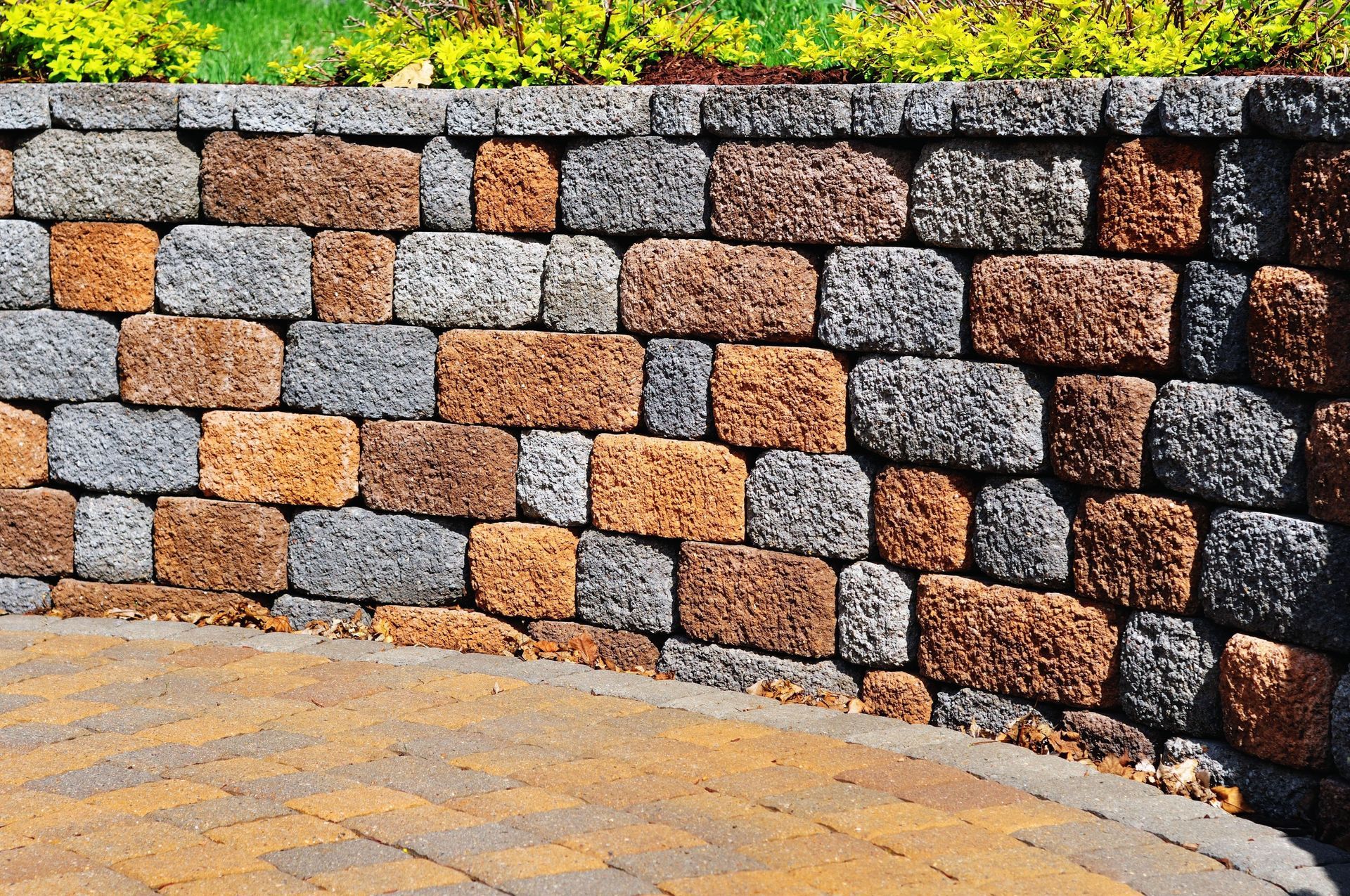
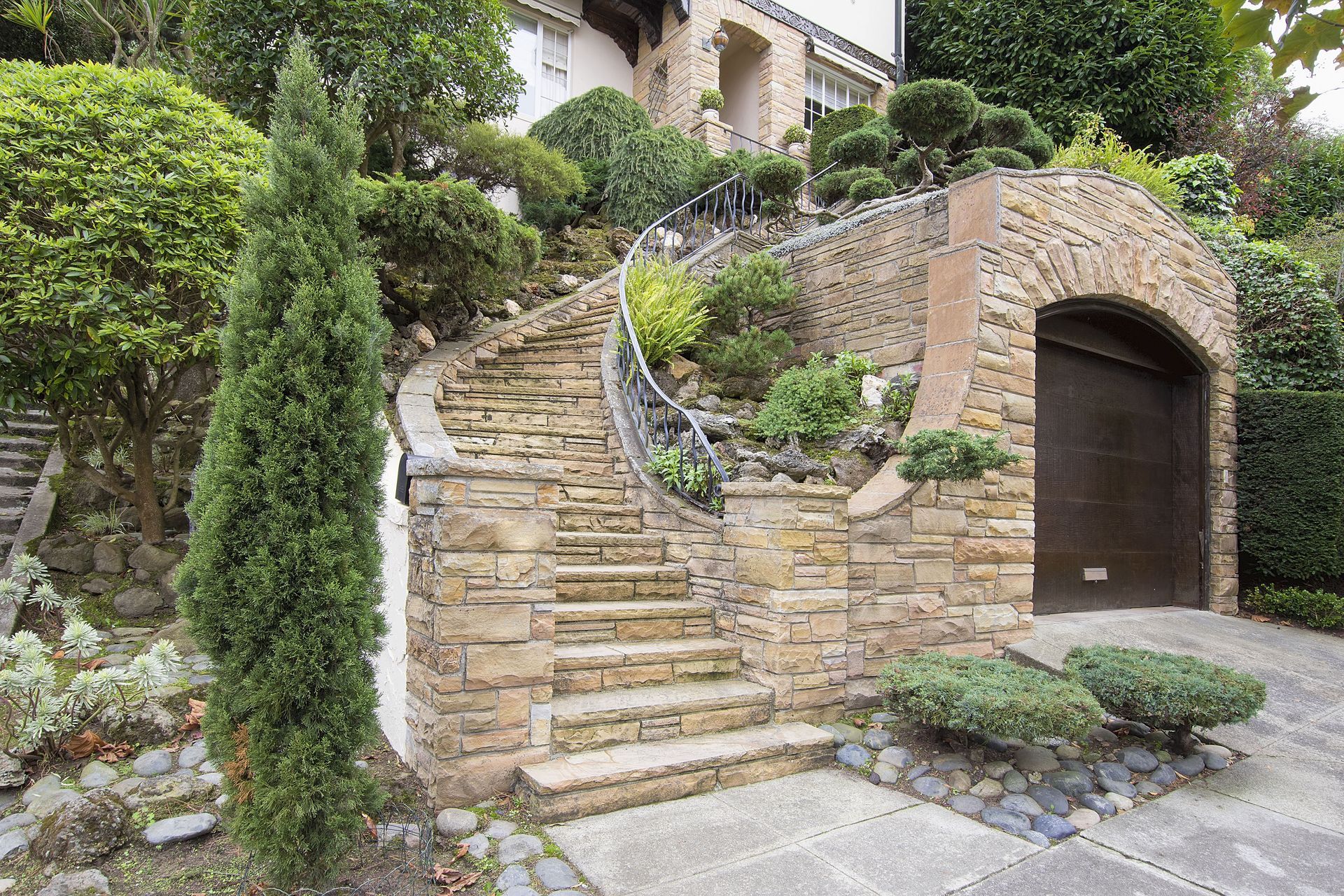
Retaining wall blocks can substantially elevate the visual appeal of gardens by creating multi-level landscapes and unique designs. Their modular design and variety of textures and colors allow homeowners to craft beautiful structures that complement their surroundings. These blocks can be used to build graceful garden terraces that add depth and dimension to flat landscapes, transforming them into vibrant, engaging spaces. Moreover, retaining walls can act as natural boundaries, creating harmonious partitions between different areas of a garden.
The aesthetic potential of retaining wall blocks lies not just in function but in form. Whether creating a rustic look with weathered stones or a modern vibe with sleek concrete blocks, the choice of material significantly influences the overall design. The interplay between vertical and horizontal lines formed by the blocks brings a sense of order and rhythm to garden spaces. Furthermore, retaining walls often serve as canvases for climbers and moss, enabling gardens to span vertically and create lush green backdrops.
Improving Land Stability
One of the foremost reasons for utilizing retaining wall blocks is their ability to stabilize land and prevent soil erosion. Their robust design and gravitational strength are crucial in managing steep terrain and minimizing soil movement. Especially in regions susceptible to weather extremes like heavy rain or freeze-thaw cycles, retaining wall blocks reinforce land stability effectively. According to the Federal Highway Administration, only 7 percent of the walls examined were classified as poor to very poor, but it was found that over 50 percent of the walls exhibited freeze-thaw damage, highlighting the importance of material choice.
Retaining wall blocks play a significant role in protecting property from damage associated with soil erosion. By interrupting water flow, they reduce the risk of soil being washed away, preserving both the landscape's integrity and the home’s foundation. For sloped properties, these blocks act as barriers, holding soil in place and preventing landslides. Consequently, they not only protect the landscape but also enhance the safety of residential structures built on or near unstable slopes.
Can retaining wall blocks be used for purposes other than retaining soil?
Creating Outdoor Living Spaces
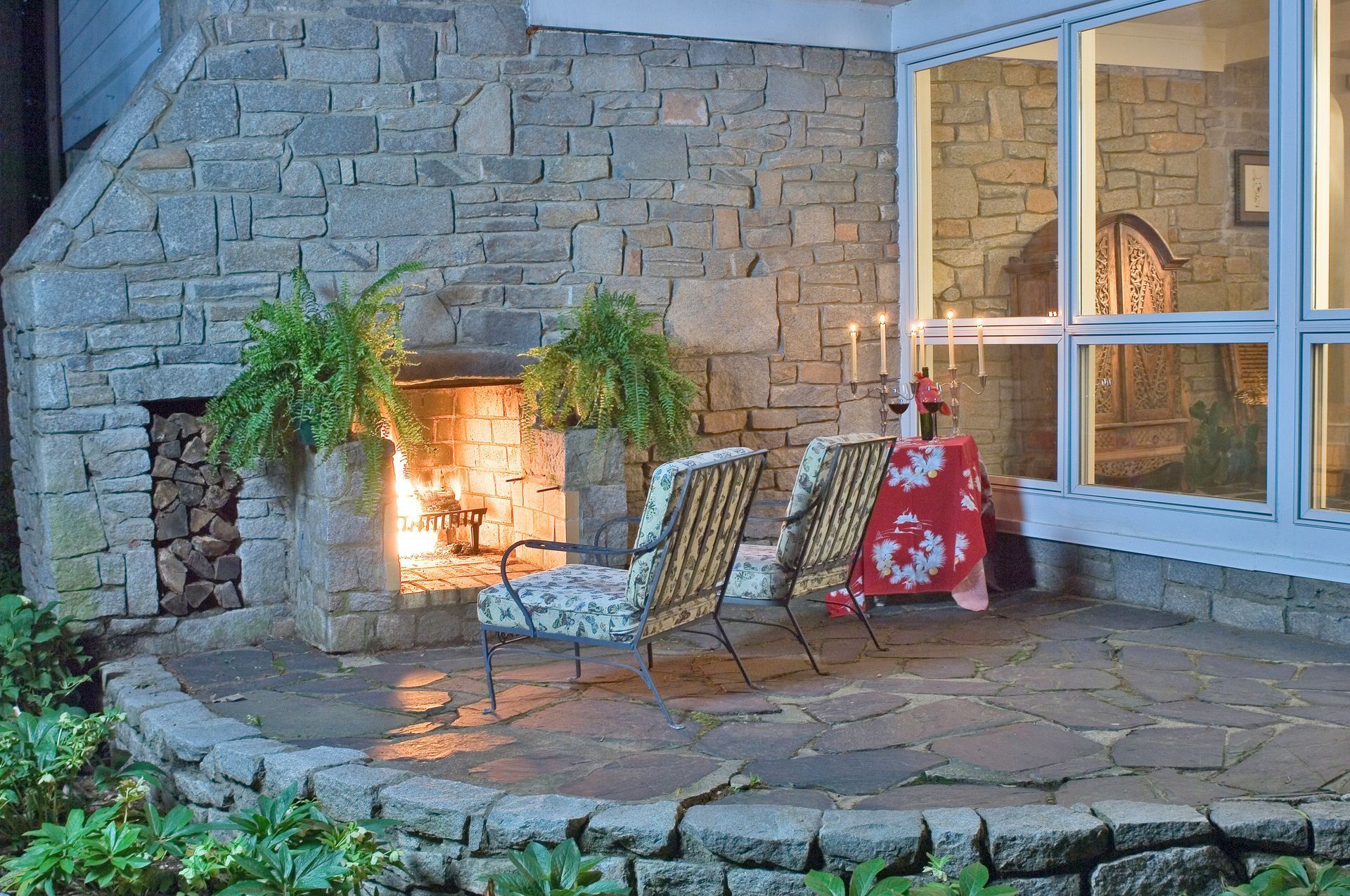
Retaining wall blocks extend beyond traditional boundaries of soil retention, offering solutions to create seamless outdoor living spaces. By stacking blocks to desired heights, patios or elevated decks transform open yards into functional entertainment areas. The versatility of these blocks allows for custom configurations that accommodate furniture and fixtures, creating inviting atmospheres for relaxation or social gatherings. As structural elements, these blocks define spaces while blending with the natural landscape.
In many designs, retaining wall blocks are used as planters or borders, integrating flora with living areas for additional ambiance. These hybrid constructions maintain visual cohesion, merging the lines between architecture and nature effortlessly. Furthermore, retaining wall installations require minimal disruptions to existing landscapes, preserving the natural setting and enhancing outdoor experiences. The ease of integrating these constructions into diverse landscapes underscores their value in expanding the practical use of outdoor spaces.
From urban apartments to expansive rural estates, the use of retaining wall blocks in creating outdoor living areas fosters enjoyment of the outdoors. By supporting amenities such as fire pits, seating arrangements, and even outdoor kitchens, these blocks contribute to the evolving landscape where interior and exterior spaces harmonize. As lifestyle preferences emphasize outdoor living, retaining wall blocks serve as integral components that inspire transformation and innovative landscape design.
Constructing Garden Beds
Raised garden beds built with retaining wall blocks revolutionize plant cultivation, offering enhanced control over growing conditions. These beds improve soil drainage and prevent compaction, optimizing plant health and yield. The elevation provided by these blocks allows gardeners to cultivate their gardens at a more ergonomic height, reducing strain during planting and maintenance activities. Furthermore, the defined boundaries created by the blocks keep garden layouts tidy and organized.
Retaining wall blocks enable the creation of bespoke garden designs, accommodating diverse plant species with varied soil and sunlight requirements. By establishing distinct partitions, gardeners can experiment with themes and plant types, tailoring environments that extend floral diversity. Additionally, the aesthetic appeal of these raised beds adds visual interest, complementing both modern and traditional garden styles. The modular nature of these blocks also allows for expansions and adjustments as gardening needs change.
Gardens constructed with retaining wall blocks can easily integrate water and irrigation solutions, such as drip systems, to sustain plant vitality efficiently. By concentrating resources within designated plots, these setups foster sustainable gardening practices that conserve water and energy. Raised beds present a scalable method for greening urban spaces, allowing small plot owners to engage in agriculture at manageable levels. Thus, retaining wall blocks elevate gardening opportunities, nurturing both plant life and human creativity.
Designing Fire Pits
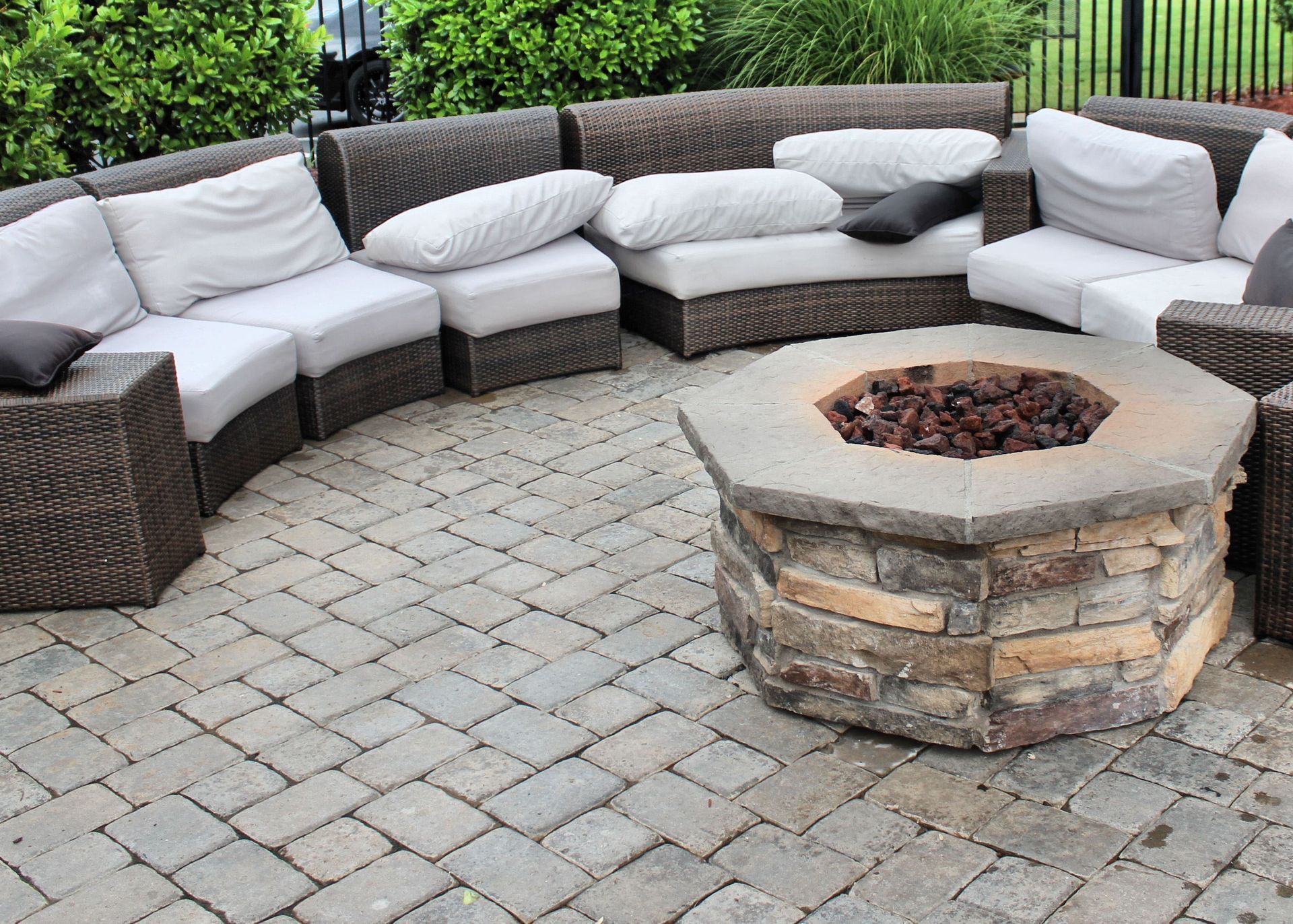
Fire pits crafted from retaining wall blocks bring warmth and ambiance to outdoor settings. The versatility of these blocks permits circular or square configurations, catering to varying design preferences and spatial restrictions. By assembling fire pits with these modular blocks, individuals gain creative control over dimensions and styles, aligning them with surrounding architecture or landscape features. This customization potential ensures a bespoke fit, amplifying the aesthetic and experiential value of outdoor areas.
Constructing fire pits with retaining wall blocks involves aligning the blocks in stable, sturdy structures that withstand intense heat. The inherent durability of concrete or stone blocks makes them ideal for withstanding temperature fluctuations without deformation or cracking. Additionally, protective sealants can be applied to enhance safety and longevity, safeguarding these installations from environmental factors. Such resilience fosters worry-free enjoyment and encourages prolonged use throughout various seasons.
Fire pits serve as focal points in social gatherings, extending the usability of outdoor spaces into the cooler months. These installations create intimate settings that encourage relaxation and conversation, establishing memorable experiences. As eco-consciousness prevails, incorporating sustainable materials in fire pit construction aligns with modern environmental ideals. Retaining wall blocks cater to this inclination, yielding long-term benefits and timeless appeal to outdoor entertainment areas.
Building Garden Seating Areas
Garden seating areas made from retaining wall blocks blend functional seating with landscape features. These blocks construct sturdy benches or niche seating, optimizing outdoor areas for leisure and engagement. By leveraging the same materials for retaining walls and seating, continuity in design is maintained, rendering a coherent and polished look. This approach enhances design aesthetic while maximizing space utilization, fostering enjoyable environments for relaxation or gathering.
The durability of retaining wall blocks ensures seating areas remain steadfast over time, enduring weather changes and consistent use. These low-maintenance structures require little upkeep, offering convenience and cost savings to homeowners. Additionally, the versatility of these blocks supports innovative seating solutions, such as storage-integrated benches or curved arrangements. The strategic design harnesses diverse materials and forms, converging practicality with visual appeal.
Implementing garden seating with retaining wall blocks facilitates customizable solutions that adapt to unique landscape configurations. Whether adding seating along pathways, garden perimeters, or standalone configurations, these blocks meet diverse needs and preferences. Furthermore, the sustainable choice of materials, including recycled options, enables alignment with eco-friendly landscape initiatives. Ultimately, seating areas constructed with retaining wall blocks contribute to enhancing the usability and enjoyment of garden spaces.
Retaining wall blocks offer versatile solutions for various landscaping and construction needs. By understanding their benefits, installation processes, material options, and maintenance requirements, you can fully leverage their potential in transformative and sustainable ways. The wide array of applications for these blocks, from building terraces to crafting seating areas, showcases their adaptability and importance in modern landscaping. Discovering the possibilities with retaining wall blocks equips homeowners and designers alike with tools to innovate and beautify outdoor environments. Reach out to Orange County Mason Supply today to see how we can help you!